Monday – Friday
9:00 AM – 7:00 PM
Towson, Maryland · 7600 Osler Drive, Suite 303
Most acupuncture offices close before you finish work. I see patients weekday evenings until 7:00 PM, Saturdays, and Sunday afternoons — because the people who need relief most are usually the ones who can't take a Tuesday morning off.
My practice is built around musculoskeletal pain and women's health. If you have tried physical therapy or chiropractic and plateaued, or you would rather not add another medication, acupuncture is a reasonable next step.
Chronic and recurrent pain, sciatica, stiffness that returns after every flare-up. Acupuncture is recommended as a first-line non-drug treatment for low back pain in the 2017 American College of Physicians guideline.
Osteoarthritis, rotator cuff and tendon pain, post-surgical residual pain, and myofascial pain that has not resolved with conservative care.
Frequent tension headaches and migraine — used alongside your current management, or as an alternative to daily preventive medication.
Painful periods, menstrual irregularity, menopausal hot flashes and night sweats, and pregnancy-related low back and pelvic pain.
Burning, tingling, or numbness in the hands and feet, including symptoms that persist after chemotherapy — and the sleep disruption that comes with them.
Insomnia, tension-pattern symptoms, fatigue, and supportive care during cancer treatment — nausea, fatigue, and joint pain from aromatase inhibitors.
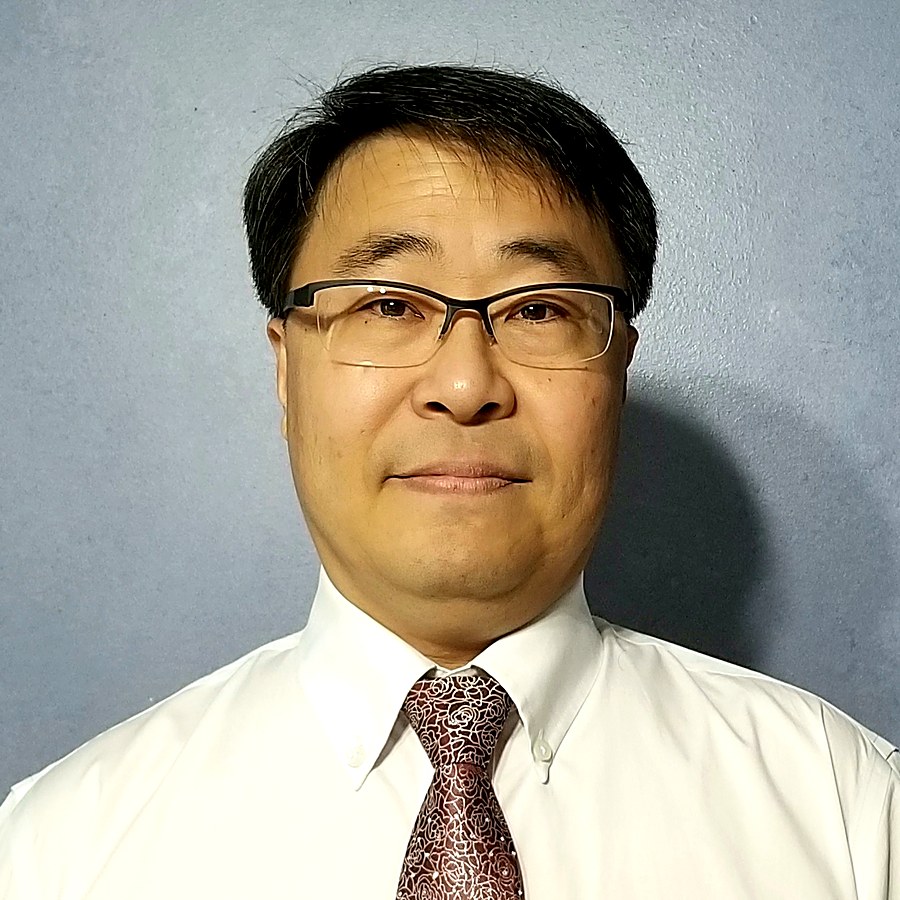
I am a Maryland-licensed acupuncturist practicing in Towson. My focus is pain — the kind that has lasted long enough that you have already tried several things, and the kind that shapes how you sleep, work, and move.
I practice inside a medical office building across from UM St. Joseph Medical Center, alongside physicians in pain management, internal medicine, gynecology, and chiropractic. That is deliberate. Acupuncture works best as part of your care rather than apart from it, and I send written notes back to any physician who refers you.
I will tell you honestly whether I think acupuncture can help you. We agree on a trial period — usually four to six visits — and then we talk frankly about whether it is working. If it is not, I will say so and help you find what might.
Acupuncture is part of East Asian medicine, a clinical tradition developed over roughly two thousand years across China, Korea, and Japan. Very thin sterile needles are placed at specific points on the body and left in place, usually for twenty to thirty minutes.
The traditional explanation describes qi — the body's functional activity — moving along pathways called meridians, and treatment as restoring flow where it has become obstructed. That language is old, but it encodes careful clinical observation, and it still guides where the needles go.
The modern explanation is complementary rather than competing. Needling appears to modulate pain signaling in the nervous system, alter local blood flow, and influence the release of the body's own analgesic and anti-inflammatory compounds. Both descriptions point at the same practice.
Most people find it far more comfortable than expected. The needles are roughly the width of a human hair — nothing like a hypodermic needle. Many patients fall asleep during treatment.
Most acupuncturists in the United States work within the Chinese tradition alone. I use it too — and I treat with two Korean systems as well, which means I bring more methods to the table than you will find in most offices here.
Saam — Korean four-needle acupuncture — treats through the relationships between channels rather than through points on the painful area itself. Four needles, chosen by the pattern rather than by the sore spot. That matters when a shoulder or a low back is too acute, too inflamed, or too tender to needle directly — I can often work at the forearm or the lower leg instead and still reach the problem.
Korean hand acupuncture treats the whole body through points on the hand. It is useful if you are nervous about needles, if you cannot lie comfortably for thirty minutes, or if you are frail or elderly and a gentler treatment is the right starting point.
You will never need to know which system I am using. What it means for you is simple: when the direct approach is not the right one — because the area is too painful, because needles make you anxious, because you cannot lie still for long — I still have somewhere to go. A wider range of techniques means more ways to reach the same result, and fewer reasons to give up on treatment that could help.
About sixty minutes. I take a history, examine the area, and explain plainly whether I think acupuncture is likely to help — and what would tell us it is not.
Needles are placed and left in for twenty to thirty minutes while you rest. Wear loose clothing. Come having eaten something.
Most conditions need a short series rather than one visit. We set a trial of four to six, reassess honestly, and stop if it is not working.
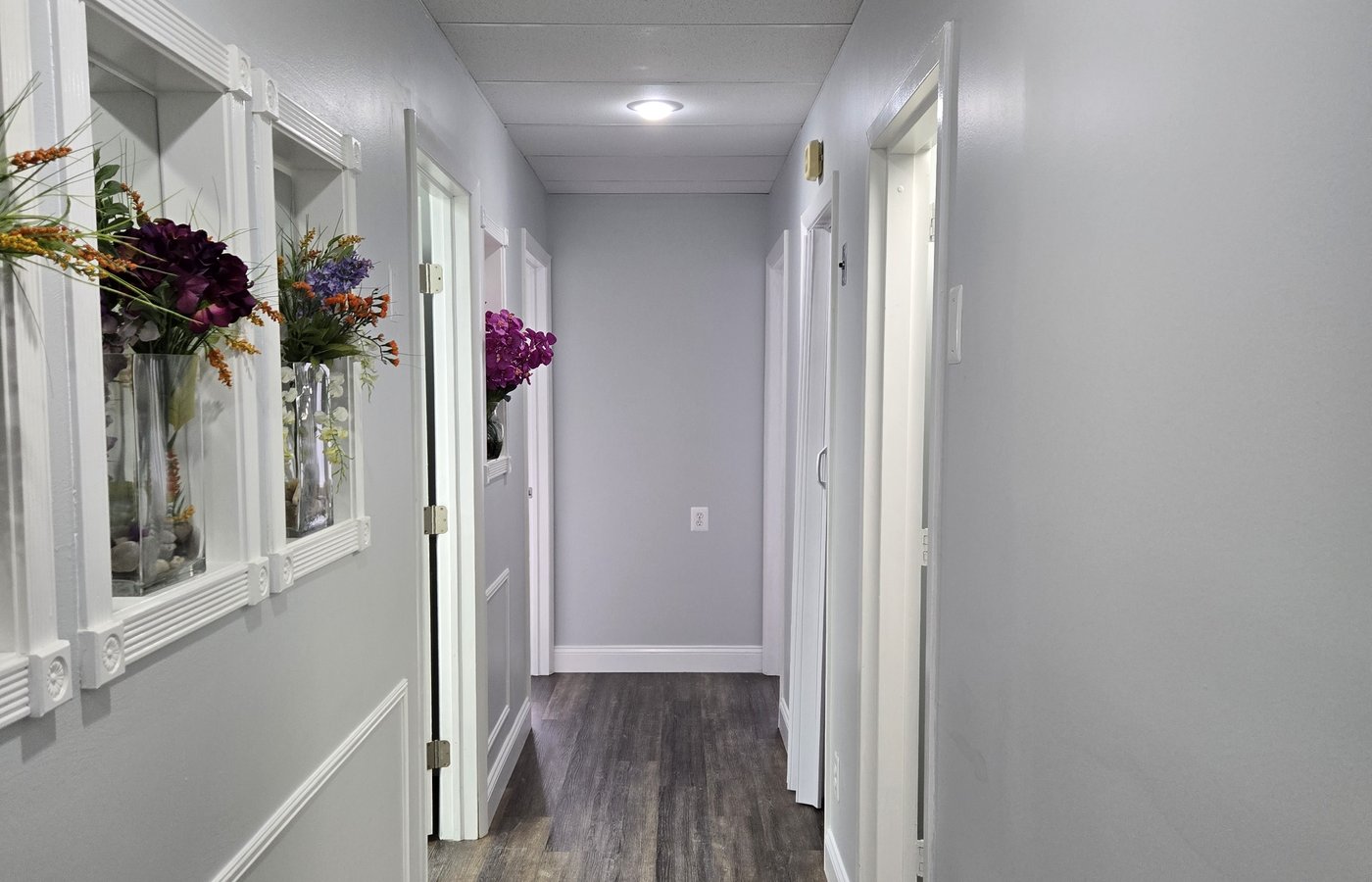
Suite 303 is a shared suite, so there are several names on the door. Here is exactly what you will see on the way in.
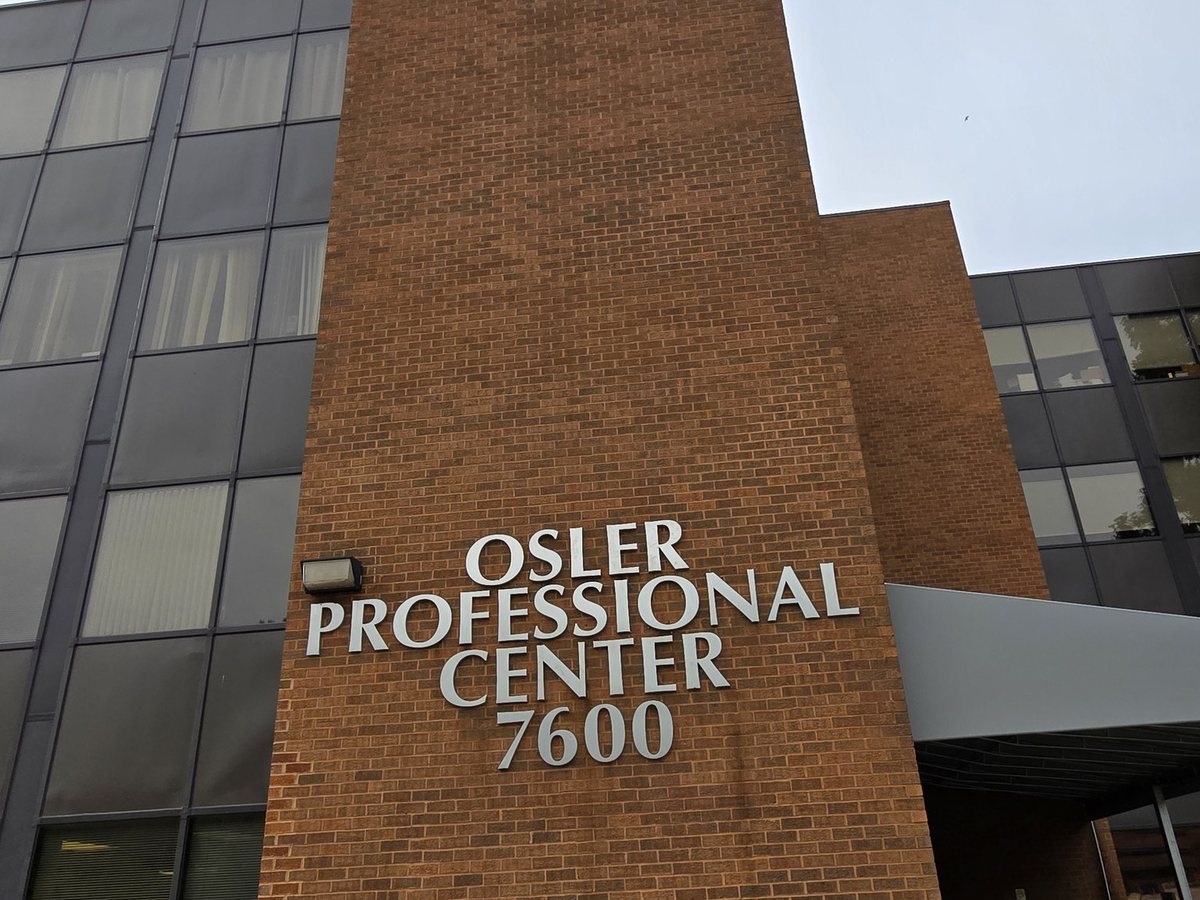
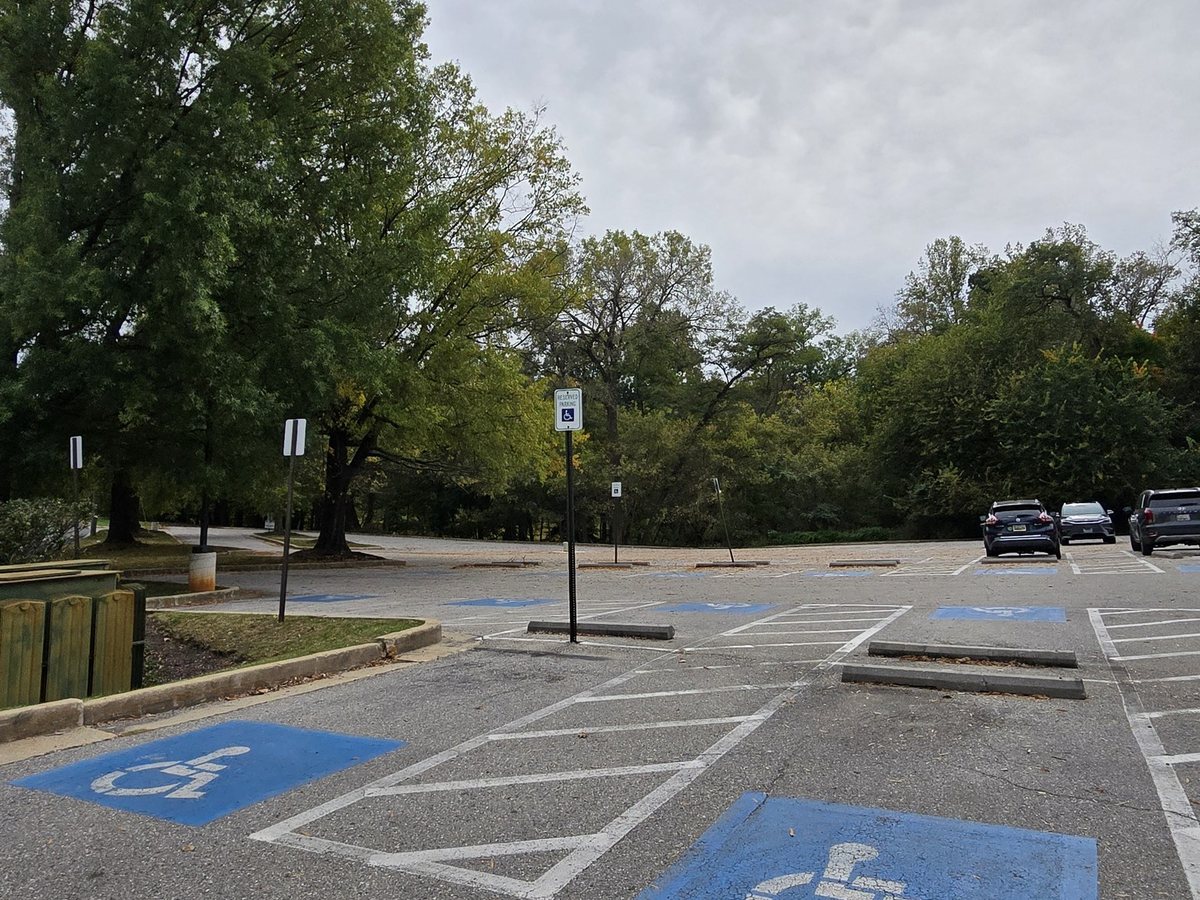
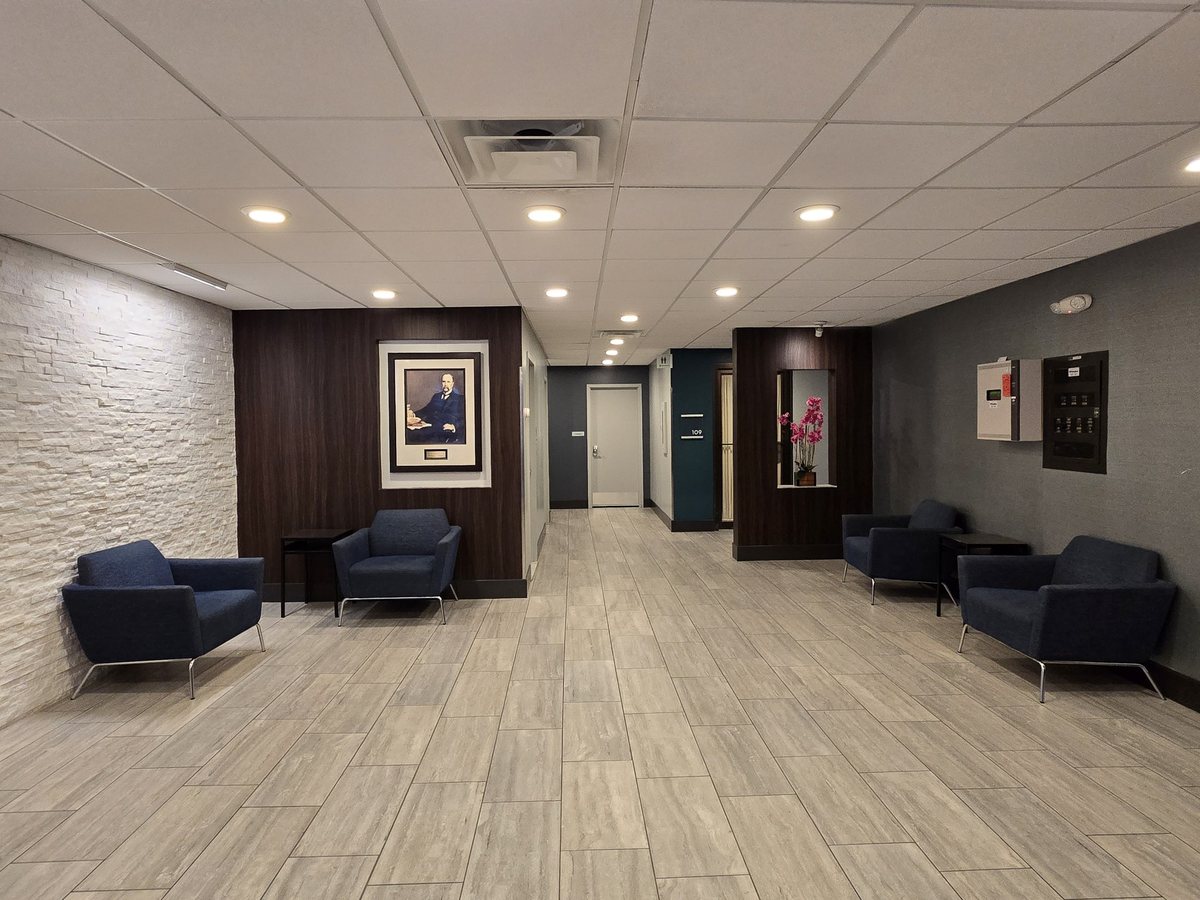
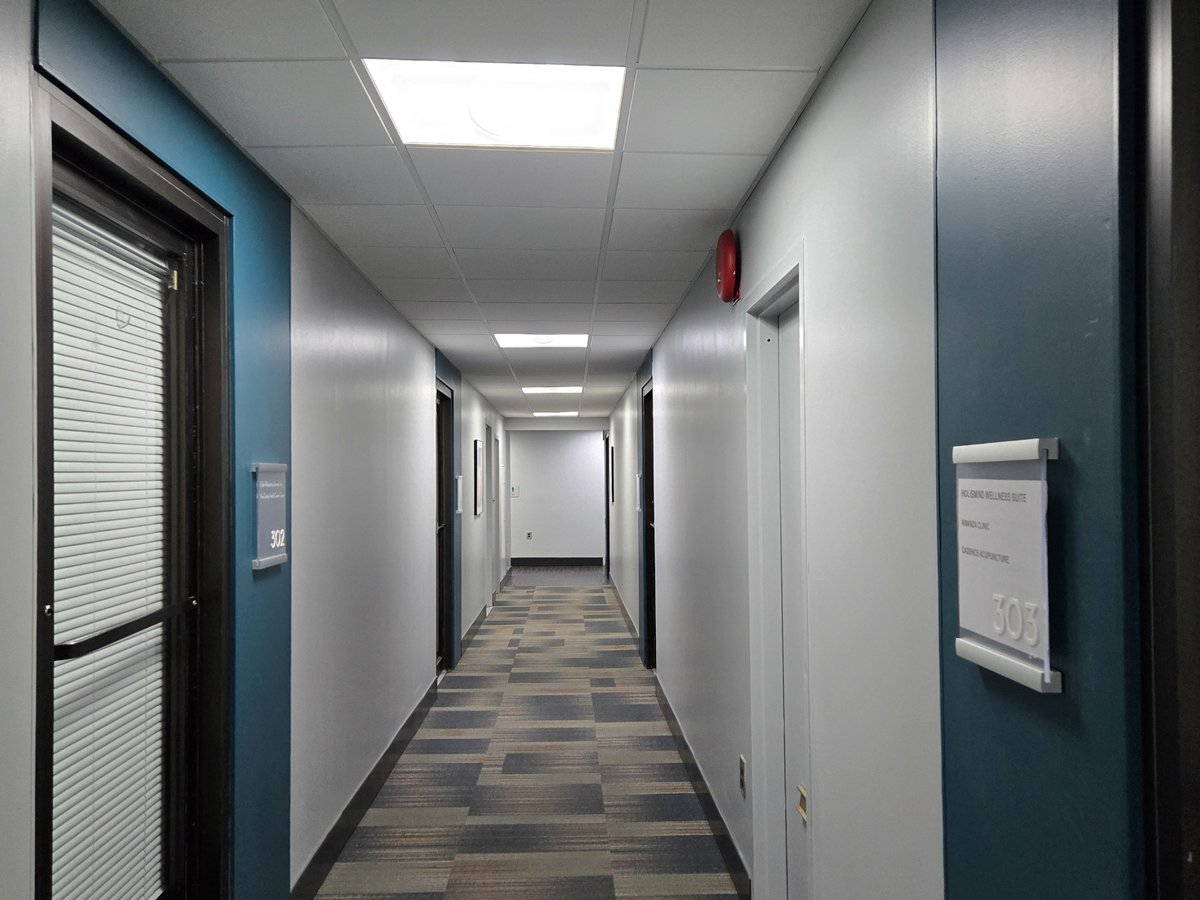
If you have any trouble finding it, call or text (410) 505-7600 and I will come down.
Osler Professional Center, directly across from UM St. Joseph Medical Center. Free parking on site.
By appointment only. Weekday evenings, Saturdays, and Sunday afternoons can be booked online at any hour. For a weekday daytime appointment, call or text (410) 505-7600.
Weekday evenings, Saturdays, and Sunday afternoons can be booked online. For weekday daytime appointments, please call.
I send a written note after the initial visit and again at reassessment. Call directly or have your staff call, and I will contact the patient the same day.
Secure fax for referrals and records.